School Refusal Therapy For Children
School refusal is a mental health presentation in which a child experiences significant distress related to attending school. It differs from truancy, where a child deliberately skips school and attempts to conceal this from caregivers. With school refusal, the child is typically unable to attend school despite parental support and encouragement.
Children experiencing school refusal may express physical complaints, heightened anxiety, or emotional distress at school time, or may engage in behaviours aimed at avoiding school attendance. These responses are driven by underlying anxiety and overwhelm, rather than defiance or lack of motivation, and can resemble demand-avoidant responses, similar to PDA, when expectations feel unmanageable.
As understanding of this experience has grown, the term “school can’t” is increasingly used. This language reflects the reality that many children are not choosing to avoid school but are experiencing a level of distress that makes attendance feel impossible. The shift away from the word “refusal” helps reduce stigma and better recognises the child’s emotional and mental health needs.
School refusal can be caused by a number of factors including bullying, separation anxiety, and learning difficulties. Since children often don’t have the emotional tools to talk about these things, behaviours appear in the form of school refusal.
How Play Therapy Can Help With School Refusal
If an adult is having problems in the workplace, they often have people to talk to. HR is there for workplace bullying, a spouse is there to listen to concerns about workplace performance, and the wider workplace team may be there to help with particularly challenging work projects. Even with this, there are still days that we as adults simply don’t want to go into work. For a child, it’s more difficult to communicate the problems they may be having at school, and over time, this can turn into school refusal.
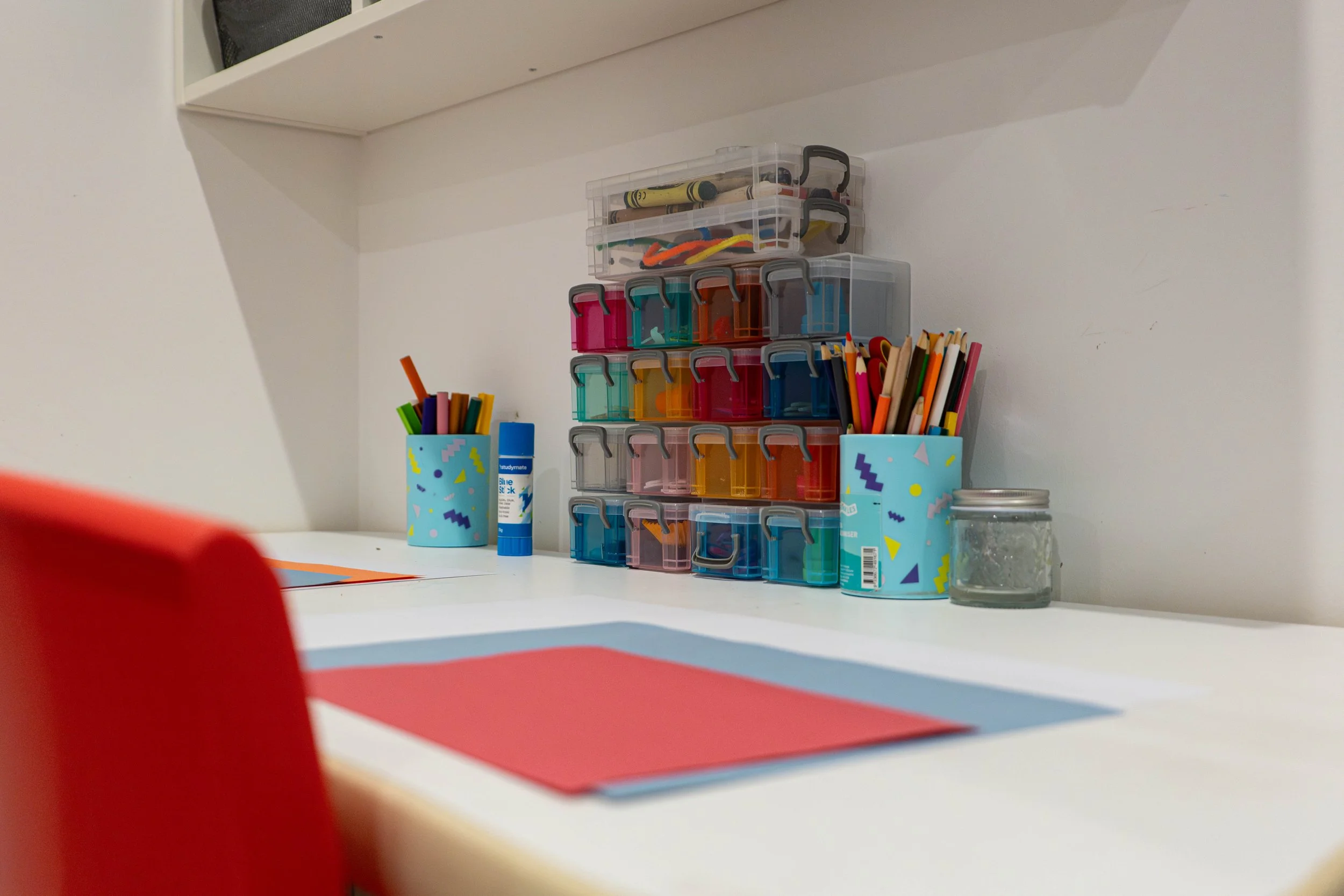
Play Therapy aims to encourage a child to communicate in their natural way. Through play, children will often act out what they want to be able to say. As they become more comfortable, they may even become able to communicate more directly with their Play Therapist. In this way, we can start to get to the root of what’s causing their school refusal behaviour. If we can find out what’s causing the school refusal, we can then put strategies in place to help the child overcome that specific challenge.
School refusal is a complicated issue for children and families. Contact us to find out how we may be able to help.