Pathological Demand Avoidance (PDA) Therapy For Children
Pathological Demand Avoidance (PDA) is a condition where people (often children) avoid or are unable to meet demands. The inability to meet the demand can often look like refusal; these may be as simple as refusal to do chores, all the way up to refusing to do larger activities, even if they’re activities a child wants to do. This happens because a child’s fight or flight response is triggered by a request or demand, causing them to act out in ways that appear like refusal or defiance.
PDA in children can look like a child simply refusing or avoiding a certain task whether through arguing or simple procrastination. In other situations, a child may withdraw or isolate themselves in order to avoid having to do certain tasks. In more serious examples, a child may panic and/or have an emotional meltdown in response to a demand or request.
PDA isn’t very well understood, and is often seen as a trait of autism. But, as we come to understand PDA more, we are coming to see it as a behaviour linked to a number of conditions including post-traumatic stress disorder, ADHD, and even oppositional defiant disorder.

How We Can Help With PDA
Ultimately, PDA symptoms are believed to arise from a need for control and intense anxiety in the child experiencing PDA. It’s easy to see PDA as a child simply being disobedient, defiant, or naughty, but there are a number of underlying issues causing the behaviour. For a child experiencing PDA, they will often even refuse to do things they want to do because of anxiety.
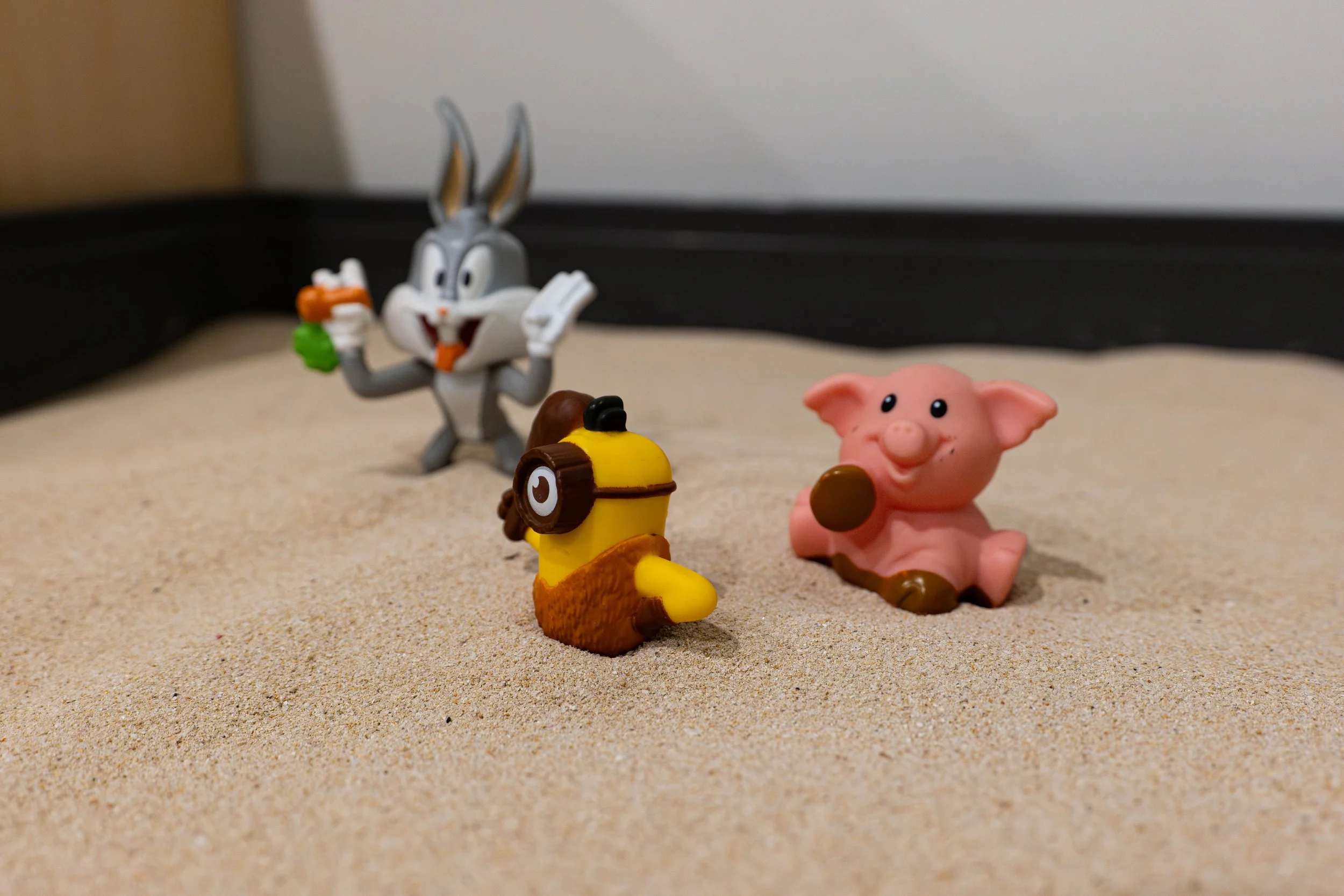
Through Play Therapy, we can offer a child a safe space to explore their emotions as well as communicate how they’re feeling. The Humanistic model of Play Therapy is built on the foundation that the therapist follows the lead of the child. Our job is to meet the child where they are. The child can choose to play with anything in the room that interests them, in almost any way they like. This creates an environment which is not only beneficial for all children, but extremely beneficial for children with PDA. It means the child can be supported and their fight or flight mode is not triggered, as demands are low. This low demand environment sets Play Therapy apart from many other therapies available to families.
By meeting a PDA child where they are, Play Therapists can support them and their families, ensuring a more regulated and happier child.