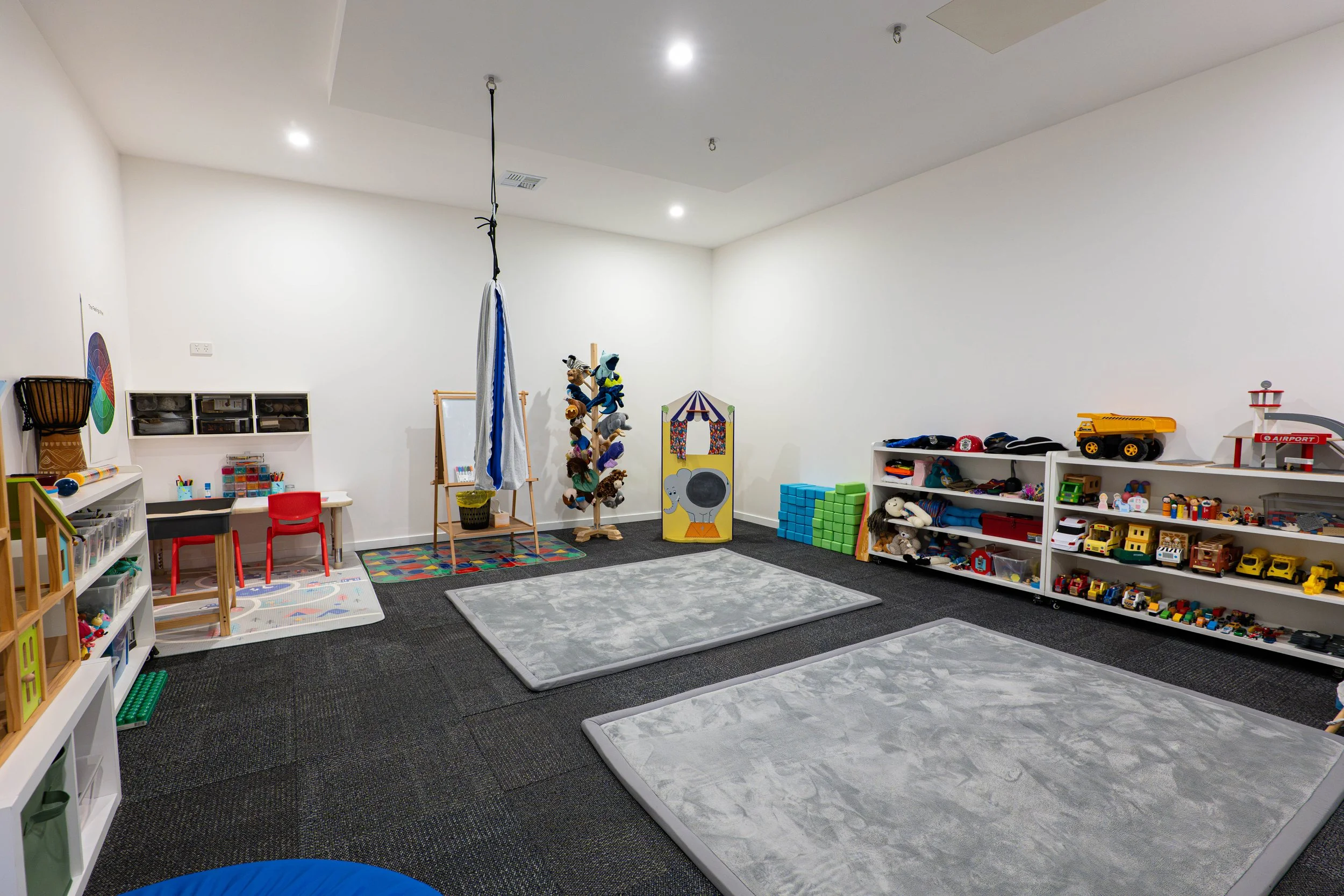
Emotional Regulation Therapy For Children
When children experience big or strong emotions like sadness, anxiety, or anger, they can easily become overwhelmed because they don’t have the experience to deal with them. As adults and parents, we often see this manifest as a meltdown or some sort of outburst. And, to some extent, this is normal behaviour for a child, and something they’ll likely grow out of as they learn more about themselves and their emotions.
However, some children may have more difficulty learning emotional regulation than others. Self regulation of emotions is part of normal development, and is very much a learned process. Children as young as three years old often show some level of emotional self regulation. For some children, learning these skills may be more difficult. The child may be neurodivergent, or have learning difficulties, for example. There are a lot of reasons why a child may have difficulty with emotional regulation, and it’s important not to blame the child or their carers; instead, help the child learn and develop.
With all that in mind, it can be difficult to determine whether a child is developing typical emotional regulation skills or whether some sort of intervention may be needed. If in doubt, we’re happy to speak with you about your individual child.
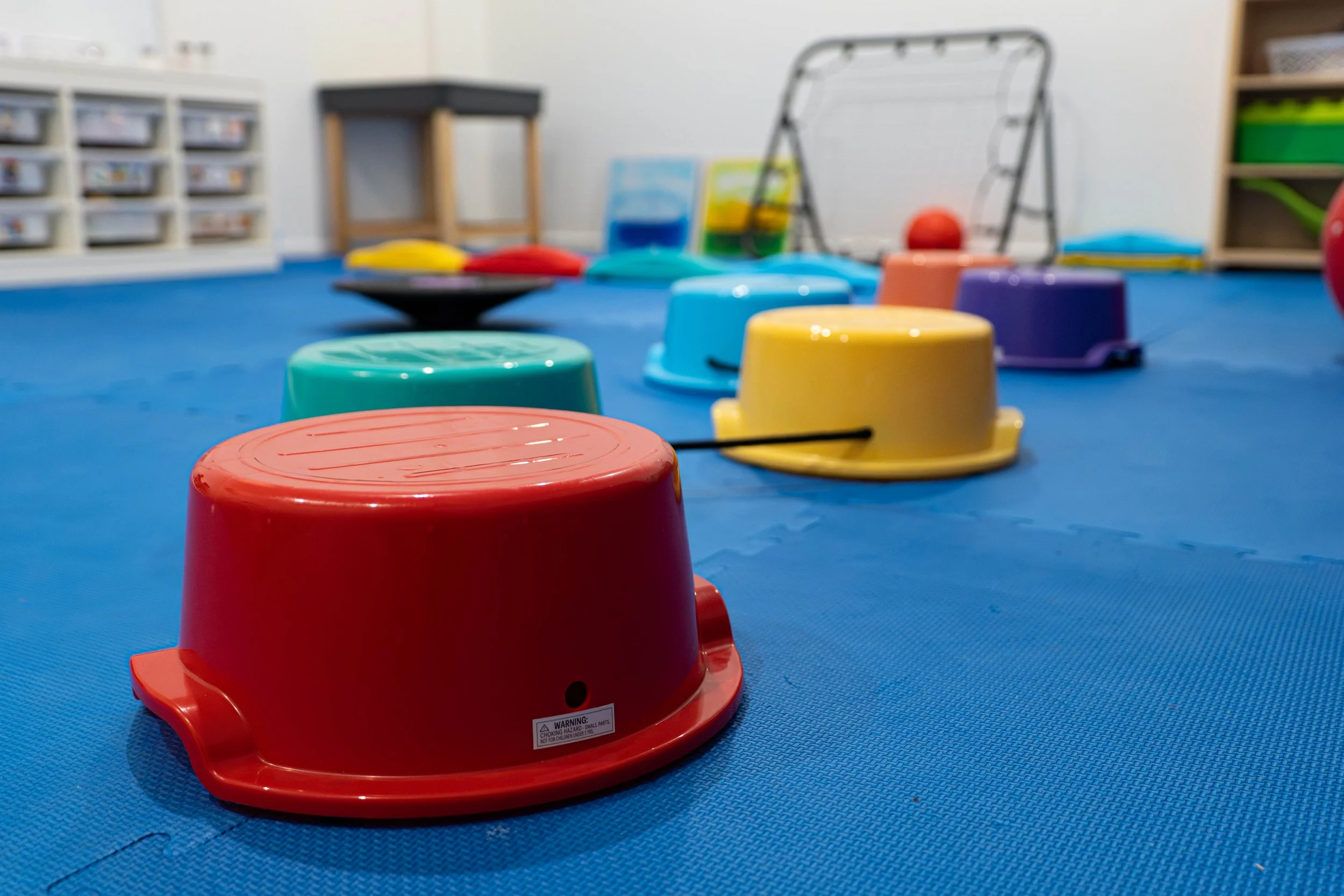
How Play Therapy Can Help With Emotional Regulation
Play Therapy is ultimately about supporting a child to communicate in ways that feel safe and natural to them. For children, play is their primary language. Through play, children often feel more at ease and are able to express themselves more freely. Play also allows children to model or re-enact experiences, which helps Play Therapy practitioners gain insight into what may be happening in a child’s inner world.
Within Play Therapy, children are supported to explore and make sense of their emotions. Play therapists intentionally help children build emotional literacy by noticing, naming, and validating emotions as they emerge in play. Children are supported to understand what different emotions feel like, what might trigger them, and how they can be expressed safely. Over time, this helps children develop the language and confidence to communicate feelings such as happiness, sadness, anxiety, or anger, and to begin learning strategies for when those big emotions arise.
For some children, group therapy can also support emotional regulation. In group settings, children have opportunities to interact, collaborate, and communicate with peers. A range of emotions often arise naturally in these shared experiences, allowing practitioners to observe how children respond to and manage emotional challenges in real time. Therapists can then gently support children to practise self-regulation, co-regulation, and problem-solving skills, and introduce strategies they can use beyond the group environment.
Emotional regulation is complex, and there is no single reason a child may experience difficulty, just as there is no single approach that suits every child. If you have concerns about your child’s emotional wellbeing, please get in touch with us. We are happy to offer guidance and discuss how we can best support your child and family.