Therapy For Children With Autism & ADHD
Every child, regardless of neurotype, has their own ways of expressing themselves, communicating, and engaging in play. Play is a child’s natural language. For neurodivergent children, including those who are autistic or have ADHD, these ways of relating to others may be different from neurotypical children. When environments are not designed with these differences in mind, children may experience frustration, misunderstanding, or difficulty being understood, particularly at home or school.
Play Therapy provides a supportive space where children are accepted as they are. Rather than focusing on changing behaviours or meeting external norms, play therapy centres on understanding a child’s individual needs, strengths, interests, and communication style. Through a neuroaffirming approach, children are supported to build connection, emotional awareness, and social understanding in ways that feel authentic and safe for them.
Children with autism and ADHD often learn, communicate, and regulate differently. When these differences are recognised and respected, we can adapt how we support them. Play Therapy helps children explore relationships, boundaries, emotions, and problem-solving through play, at their own pace. The focus is on empowerment, self-understanding, and developing skills that support wellbeing and participation across different environments.

How Play Therapy Can Help Neurodivergent Children
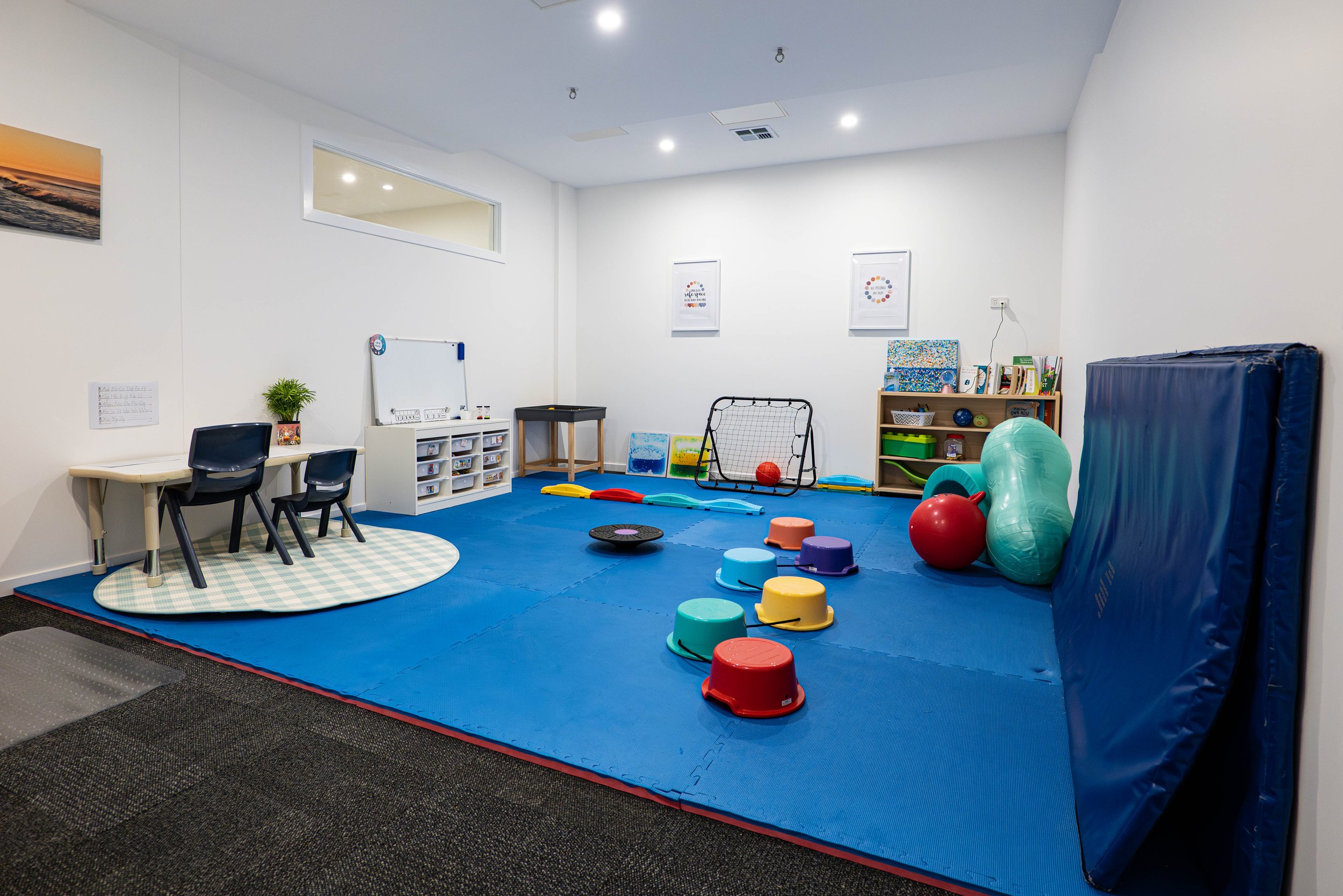
Both individual and group Play Therapy create opportunities to observe and support children in a safe, child-led setting. These spaces allow children to be themselves, explore social interactions naturally, and practise new ways of connecting with others without pressure or judgement. Therapists work alongside children to understand how they experience the world and to support outcomes that honour their neurotype.
Play Therapy for neurodivergent children is not about telling a child how they “should” behave. It is about helping children discover what works for them, supporting positive interactions, and building confidence in their own abilities. The goal is not compliance, but connection, understanding, and choice.
Put simply, Play Therapy does not aim to “fix” or “correct” neurodivergent children. Neurodiversity is a natural and valuable part of human variation. Play Therapy offers children the space to explore, learn, and grow in ways that align with who they are, while supporting them to navigate the world in a way that feels respectful, meaningful, and empowering.